When your heating or air conditioning system stops working, it can feel like an emergency. Nobody wants to be uncomfortable in their own home. However, not every HVAC issue requires an after-hours service call.
Understanding the difference between a true HVAC emergency and a problem that can safely wait until normal business hours can save you money, help ensure technicians are available for critical situations, and often result in a better overall service experience.
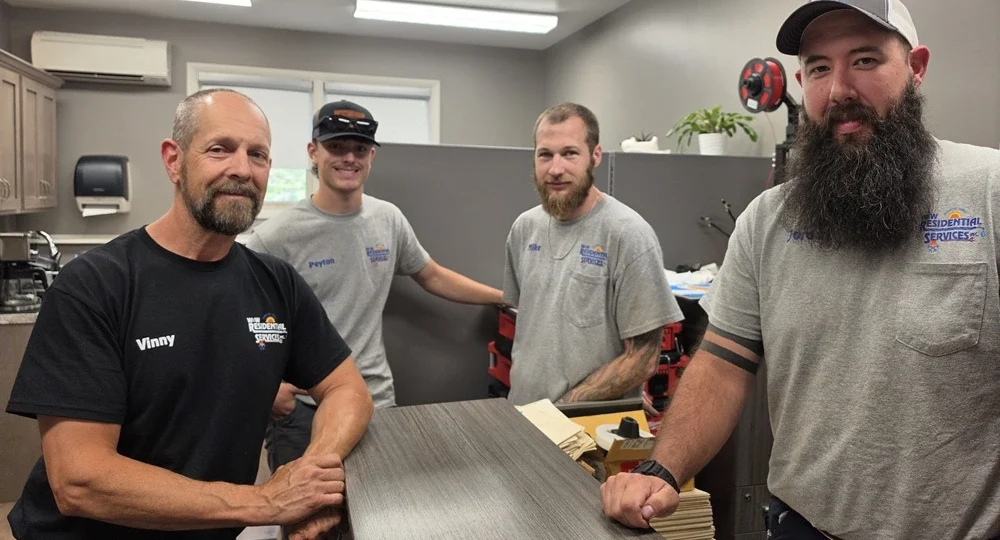
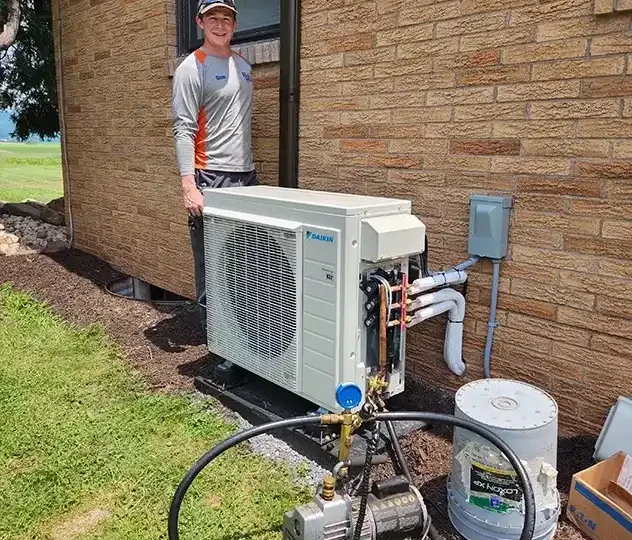
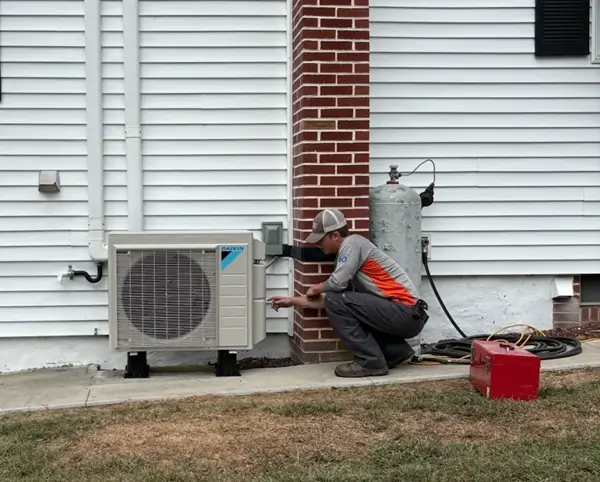
At W&W Residential Services, we offer emergency HVAC repair for Millersburg and surrounding areas, and we want to help you know what warrants an after-hours call for HVAC repair.
What Is Considered an HVAC Emergency?
A true HVAC emergency involves a situation that threatens safety, health or could cause significant property damage.
Call Immediately If You Have:
1. A Gas Leak
If you smell natural gas near your furnace or HVAC equipment:
- Leave the home immediately.
- Do not operate electrical switches.
- Contact your gas utility company.
- Call emergency services if necessary.
Gas leaks are serious and should never wait.
2. Carbon Monoxide Concerns
Signs may include:
- Carbon monoxide alarms sounding
- Headaches, dizziness or nausea among household members
- Soot or unusual discoloration around gas appliances
Turn off the system if possible and seek immediate professional assistance.
3. Electrical Burning Smells or Smoke
If you notice:
- Burning odors
- Smoke coming from vents or equipment
- Sparking electrical components
Shut the system down and call for emergency service. These situations can pose a fire risk.
4. No Heat During Dangerous Winter Temperatures
If outdoor temperatures are below freezing and your heating system fails, especially when:
- Elderly family members are present
- Young children or pets are home
- Someone has medical conditions
- Pipes are at risk of freezing
An emergency call may be warranted.
5. Complete Cooling Failure During Extreme Heat
In regions experiencing dangerous heat waves, a loss of air conditioning can become a health concern, particularly for:
- Seniors
- Infants
- Individuals with medical conditions
In these cases, emergency service may be appropriate.
6. Water Leaks That Could Cause Property Damage
If your HVAC system is actively leaking large amounts of water and threatening ceilings, floors or electrical components, prompt service is recommended.
What Can Usually Wait Until the Next Business Day?
While inconvenient, many HVAC problems are not emergencies.
These Issues Can Often Wait:
Uneven Temperatures
One room feels warmer or cooler than another? While frustrating, this usually isn’t urgent.
Minor Strange Noises
Rattles, squeaks or occasional vibrations often indicate maintenance issues rather than immediate danger.
Reduced Cooling or Heating Performance
If your system is still operating but not performing at peak efficiency, scheduling a regular appointment is typically sufficient.
A Single Thermostat Issue
Many thermostat problems can be diagnosed during standard business hours.
High Humidity Levels
Excess humidity can be uncomfortable, but it rarely requires emergency service.
Preventative Maintenance Concerns
Dirty filters, overdue tune-ups and efficiency questions are best handled during regular appointments.
Why Emergency Service Costs More
Many homeowners are surprised when they see the cost of an after-hours HVAC visit. Emergency service rates are higher because technicians are being called away from their families, evenings, weekends, holidays or even sleep to respond to urgent situations.
Additional costs often reflect:
- Overtime wages
- After-hours dispatch operations
- Travel outside normal business hours
- Limited technician availability
Emergency service exists so help is available when people truly need it—not because every inconvenience requires immediate repair.
The Hidden Impact of Unnecessary Emergency Calls
HVAC technicians take pride in helping customers, especially during genuine emergencies. However, frequent after-hours calls for non-urgent issues can create challenges throughout the industry.
Technician Shortage & Burnout
Consider the technician who:
- Works a full 10-hour day
- Gets called out at 10 p.m. for a thermostat programming issue
- Returns home after midnight
- Starts another full workday at 7 a.m.
Repeated non-emergency calls contribute to fatigue, stress and burnout in an industry that is experiencing a shortage of technicians.
When technicians are constantly responding to issues that could wait until morning, it becomes harder to maintain the high level of service customers expect, and it contributes to technician burnout.
Delayed Response for True Emergencies
Every after-hours appointment occupies a technician who may be needed elsewhere.
If a family loses heat during a freezing winter night or experiences a carbon monoxide concern, technicians need to be available to respond quickly.
By reserving emergency service for genuine emergencies, homeowners help ensure critical situations receive immediate attention.
Questions to Ask Before You Request Emergency HVAC Service
Ask yourself these questions before calling for emergency HVAC service:
- Is anyone’s safety at risk?
- Could property damage occur if I wait?
- Is the weather creating a dangerous situation?
- Is there danger or is it merely uncomfortable?
- Can temporary solutions keep us safe until morning?
If the answer to most of these questions is “no,” scheduling service for the next business day is often the smartest choice.
When in Doubt, Call and Ask
If you’re unsure whether your situation qualifies as an emergency, don’t guess.
A reputable HVAC company will gladly help you determine the urgency of the issue and recommend the most appropriate course of action. In many cases, a brief phone conversation can save you the cost of an unnecessary emergency service call.
The Bottom Line
Emergency HVAC service is an important resource for situations involving safety risks, potential property damage or dangerous weather conditions. However, many common heating and cooling problems can safely wait until normal business hours.
Waiting when possible can save money, reduce strain on hardworking technicians, and help ensure emergency resources remain available for homeowners who truly need them.
When it comes to HVAC repairs, the best decision is often not the fastest one—it’s the safest and most practical one.
When you need regular or emergency HVAC repair in Millersburg or surrounding areas, you can trust W&W Residential Services. Give us a call at 570-758-4250, contact us or download our app for easy scheduling.